

Key Takeaway
Selling a home in New York can be both an exciting and overwhelming experience. However, many homeowners might not realize the significant role that keeping the right documents plays in easing the impact on their income taxes. Did you know that failing to retain essential records can lead to missed tax benefits or even costly penalties? It’s crucial to understand which documents to keep and why they matter for your financial future.
Selling a home in New York can be both an exciting and overwhelming experience. However, many homeowners might not realize the significant role that keeping the right documents plays in easing the impact on their income taxes. Did you know that failing to retain essential records can lead to missed tax benefits or even costly penalties? It’s crucial to understand which documents to keep and why they matter for your financial future.
After the sale, the whirlwind of closing processes often leaves homeowners unsure about which paperwork is necessary. Yet, these documents are indispensable when it comes to filing taxes and protecting your interests. From purchase records to closing documents, each piece serves a purpose in ensuring compliance and optimizing your tax situation. Understanding the different types of documentation you need can save you money and headaches down the line.
Understanding the Importance of Purchase Records
Maintaining accurate purchase records is crucial for homeowners who have sold a property in New York, as these documents play a significant role in tax calculations and historical reference. The original purchase agreement is a vital document that outlines the initial purchase price of the property. This figure is essential when determining the capital gains tax, which is calculated based on the difference between the sale price and the purchase price. Proper documentation ensures compliance with IRS guidelines and helps avoid potential disputes or audits.
Another key document is the property deed. This legal document establishes ownership and can serve as proof of the property’s acquisition, crucial for both historical reference and tax purposes. It is imperative for homeowners to retain these records, as they substantiate the property’s purchase history and support accurate capital gains calculations.
By keeping these records organized and easily accessible, homeowners can ensure a smoother process when dealing with the IRS. For further assistance, consider consulting with SCL Tax Services in & near Bronx, NY. Our tax professionals are available to help you navigate the complexities of income taxes related to your property sale.
Taxpayers can find the latest filing requirements and guidance on the official IRS website.
Documenting Home Improvements for Tax Benefits

When selling a property, documenting home improvements is crucial for maximizing potential tax benefits. Proper records can affect your tax liability by adjusting the property’s basis, which is the original value of the home plus any capital improvements. This adjustment can lead to significant tax deductions by reducing the taxable gain on the sale. Capital improvements include any renovation that enhances the property value, such as adding a new roof, installing energy-efficient windows, or remodeling a kitchen.
Receipts and Invoices
Maintaining receipts and invoices is essential for proving the cost of improvements. These documents serve as evidence of the expenses incurred and should outline the nature and date of the work performed. Accurate records ensure that you can claim the maximum allowable deductions during tax filing.
Before and After Photos
Photographic evidence of home improvements can provide visual proof of changes made. Before and after photos help illustrate the enhanced property value resulting from the improvements. This documentation can be particularly useful if questions arise regarding the nature or extent of the work completed.
Keeping detailed records of home improvements is a proactive step that can lead to favorable tax outcomes. For more information on managing your home sale records, consider visiting SCL Tax Services in & near Bronx, NY..
Retaining Closing Documents for Future Reference
When selling a property in New York, keeping your closing documents is crucial for verifying transaction details and ensuring legal compliance. These documents serve as essential records that highlight the financial aspects of the sale, including closing costs and other related expenses. One key component is the Settlement Statement, which outlines the financial transaction between the buyer and seller. This document provides a detailed account of how the funds were distributed during the sale, offering legal proof of the transaction’s legitimacy.
Another important document is the Title Insurance, which protects against potential disputes related to property ownership. Retaining this document can be vital for dispute resolution, as it confirms the seller’s right to sell the property and insures against any future claims. By keeping these documents, homeowners can safeguard themselves against legal challenges and ensure they have the necessary records for tax purposes.
For expert assistance in understanding which documents to retain and how they impact your income taxes, consider reaching out to SCL Tax Services in & near Bronx, NY.. Our tax professionals are ready to help you navigate the complexities of tax documentation.
Tracking Selling Expenses for Tax Deductions
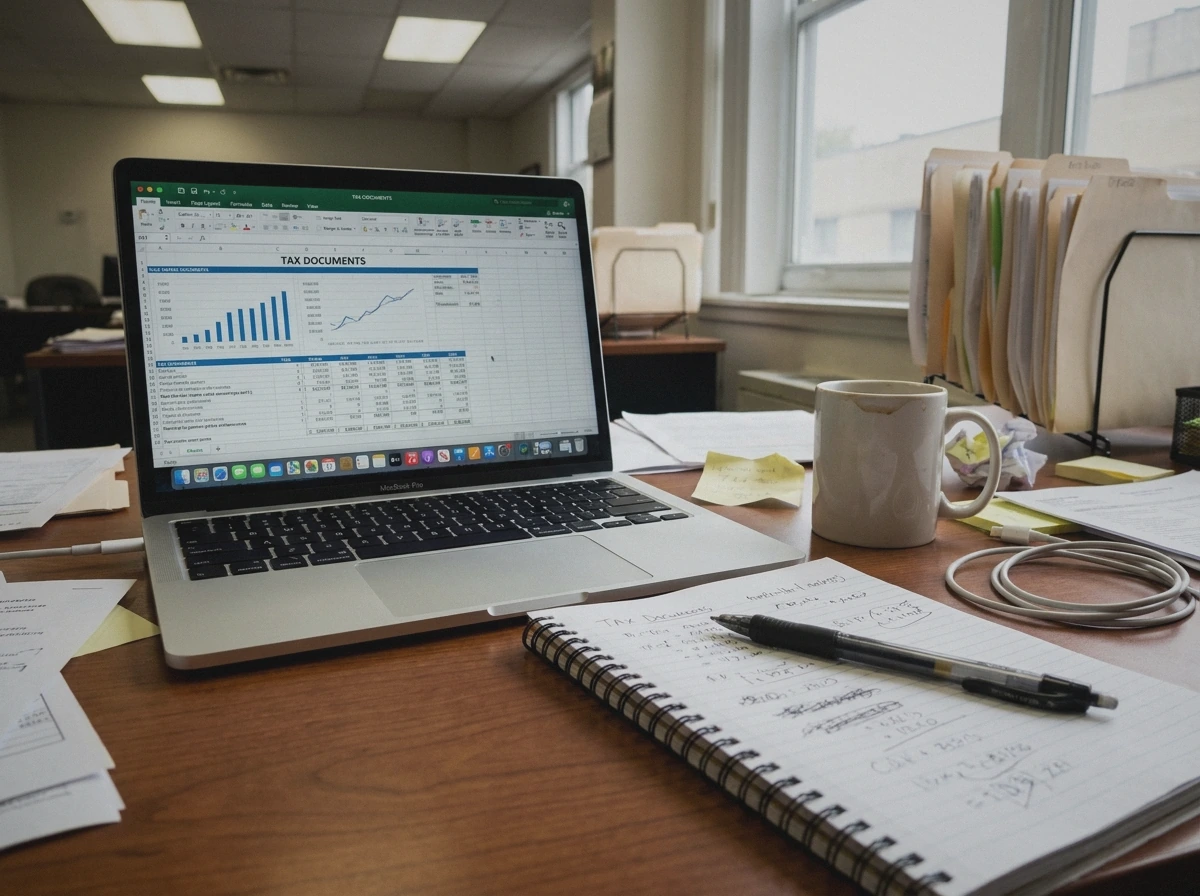
When selling a property in New York, keeping track of selling expenses is crucial for minimizing taxable gains and ensuring accurate tax filings. These expenses can be considered deductible, potentially reducing the capital gains on which you owe income taxes. The IRS allows various selling costs to be deducted, provided they are well-documented.
Advertising Costs
One of the key deductible expenses includes advertising costs. If you have invested in marketing your property, whether through online listings, newspaper ads, or more traditional means, these costs are eligible for deduction. Proper IRS documentation is essential: retain invoices, receipts, and contracts related to your advertising efforts.
Real Estate Commissions
Real estate commissions are another significant expense that can impact your tax liability. Typically, these commissions range from 5% to 6% of the property’s sale price, making them a substantial deduction. Ensure you have detailed records of the commission agreements and payments to support your tax filings.
For comprehensive guidance and to ensure you’re maximizing your deductions, consider consulting with tax professionals. Our team at SCL Tax Services in & near Bronx, NY. is equipped to assist with all your tax needs.
Navigating New York State’s Unique Tax Requirements
Selling property in New York comes with specific tax obligations that homeowners must navigate carefully. One major consideration is the State Transfer Taxes. New York imposes a transfer tax on the sale of real property, which is generally calculated as $2 for every $500 of the purchase price. Homeowners must ensure that this tax is paid promptly to avoid penalties.
In addition to the state transfer tax, homeowners must be aware of Local Tax Obligations. Various localities within New York may have additional taxes or fees associated with property sales. Knowing the specific requirements of your locality can prevent costly oversights.
New York tax rates and obligations often involve filling out state-specific forms. Homeowners should be diligent in obtaining and completing these forms accurately. Additionally, staying informed about compliance deadlines is crucial. Missing a deadline can result in additional fees or complications with your income taxes. For expert assistance in navigating these requirements, consider reaching out to SCL Tax Services in & near Bronx, NY.. Our tax professionals are available to help ensure all obligations are met accurately and on time.

Frequently Asked Questions
What documents should I keep for income taxes after selling my property in Bronx?
Keep the final closing statement, Form 1099-S, and any documents related to capital improvements. Additionally, retain your original purchase documents and any records of property taxes paid. These documents help substantiate your income tax returns and potential deductions.
How long should I keep documents after selling my home in Bronx?
Retain documents for at least three years after the sale, aligning with the IRS’s statute of limitations for audits. If you claim a capital gain exclusion, keep records for up to six years. This ensures you have necessary documentation for any future tax inquiries.
What tax implications should I consider after selling a property in Bronx?
Expect potential capital gains tax on profits exceeding $250,000 for individuals or $500,000 for married couples. Additionally, consider how selling may affect your income tax bracket and whether you qualify for any deductions or exclusions related to your primary residence.
Do I need to report the sale of my property on my income taxes in Bronx?
Yes, you must report the sale on your income taxes, especially if you realize a gain. Use Schedule D and Form 8949 to report capital gains or losses. Even if you don’t owe taxes, reporting ensures compliance with IRS regulations.
Ready to Grow Your Business?
Our team delivers real, measurable results — no long-term lock-ins, just smart strategy and consistent execution.