
Key Takeaway
Navigating the complexities of seasonal job taxes can be daunting, especially for workers in bustling areas like the Bronx and Westchester. With the rise of seasonal jobs and gig work, the lines between different types of income can blur, leaving many wondering how to properly manage their tax obligations. As 2026 approaches, understanding the various tax implications of these roles is crucial to avoid unexpected liabilities and maximize potential deductions.
Navigating the complexities of seasonal job taxes can be daunting, especially for workers in bustling areas like the Bronx and Westchester. With the rise of seasonal jobs and gig work, the lines between different types of income can blur, leaving many wondering how to properly manage their tax obligations. As 2026 approaches, understanding the various tax implications of these roles is crucial to avoid unexpected liabilities and maximize potential deductions.
Our tax preparation services are designed to help you make sense of these multifaceted financial responsibilities. Whether you’re picking up extra shifts at a retail store during the holiday season or driving for a rideshare company, each job category may have distinct tax filing requirements. By staying informed and organized, you can ensure that you’re adequately prepared for the upcoming tax season, minimizing stress and maximizing your financial health.
Understanding W-2 Seasonal Job Taxation
Working a seasonal job during the holidays can be a great way to earn extra income, but it’s important to understand how this impacts your taxes. As a W-2 employee, your employer withholds taxes from your paycheck to cover federal and state income taxes, as well as Social Security and Medicare contributions. This withholding is based on the information you provide on your Form W-4.
Withholding Basics
The amount withheld from each paycheck depends on your tax situation, which you indicate on the Form W-4. Accurate completion of this form is crucial to avoid over- or under-withholding. For those working in New York, the IT-2104 form is also necessary to determine state tax withholding.
Form W-4 and IT-2104
When you start a seasonal job, you’ll receive a W-2 form at the end of the year detailing your earnings and the taxes withheld. This form is essential for filing your tax return. If you’re unsure about how much should be withheld, our tax professionals can assist you in evaluating the appropriate withholding levels. For further assistance, visit SCL Tax Services in & near Bronx, NY..
1099 Gig Work: Tax Responsibilities
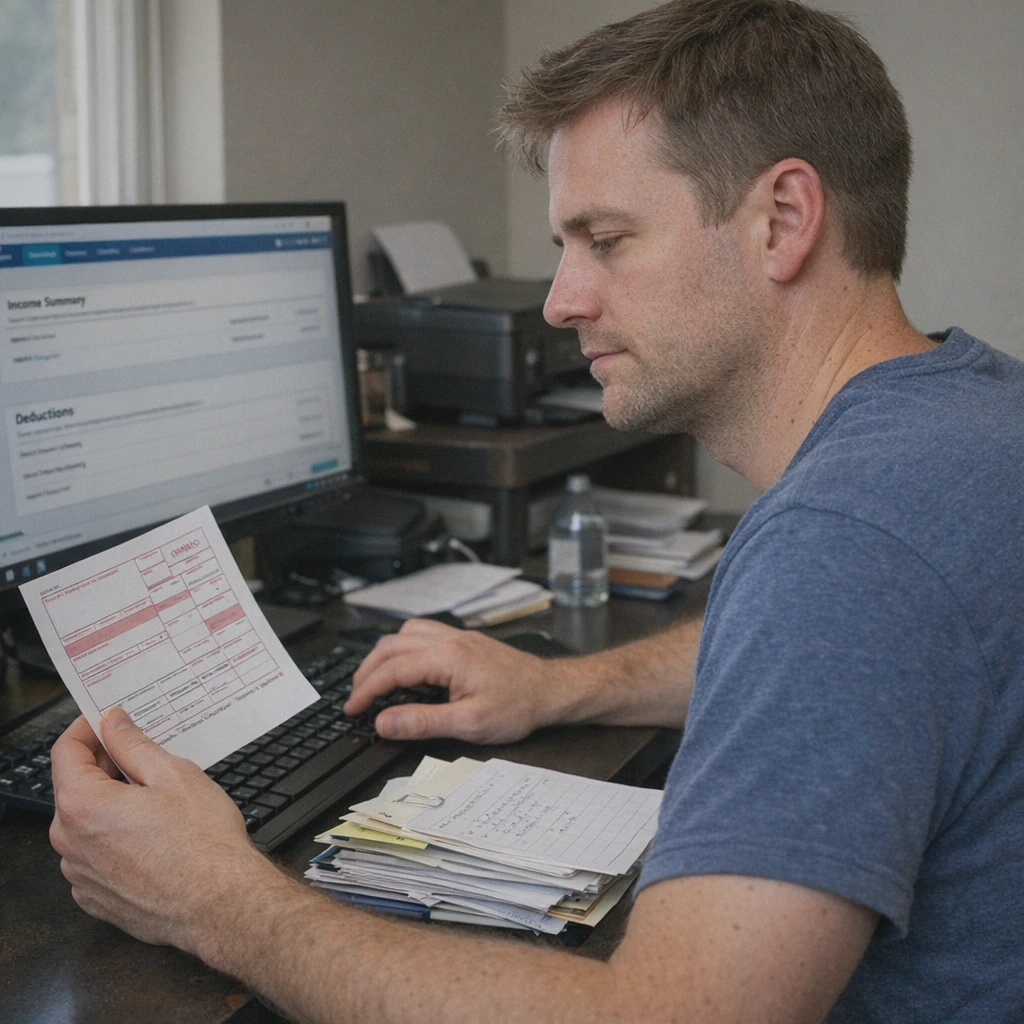
The rise of gig work has introduced unique tax obligations for individuals receiving payments reported on a 1099-NEC form. Unlike traditional employees, gig workers are responsible for handling their own taxes, including the self-employment tax. The self-employment tax is currently set at 15.3%, which combines Social Security and Medicare taxes. This tax is applicable to net earnings from self-employment, making it critical for gig workers to accurately calculate and remit these payments to avoid penalties.
In addition to self-employment tax, understanding business expense deductions is vital. Gig workers can reduce their taxable income by deducting legitimate business expenses. These may include costs such as travel, supplies, or even a portion of home office expenses. Keeping detailed records of these expenditures can significantly impact the amount of tax owed.
For those navigating the complexities of gig work taxes, SCL Tax Services in & near Bronx, NY. offers expert assistance. Our tax professionals can help ensure compliance with IRS regulations while maximizing potential deductions. To explore personalized tax solutions, feel free to schedule a tax consultation with us today.
Avoiding Under-Withholding Pitfalls
Combining income sources from two jobs or a side gig can lead to under-withholding, a common issue that often surprises taxpayers. When you have multiple jobs, each employer may withhold taxes as if that job is your only source of income. This may result in insufficient overall tax withholding, leaving you with a large tax bill at the end of the year. To address this, it is crucial to proactively manage your tax withholding.
Adjusting withholding involves making strategic changes to ensure taxes are appropriately withheld from your paychecks. One effective method is using Form W-4 Step 4(c) to request extra withholding. By specifying an additional amount to withhold, you can better align your tax payments with your actual tax liability. This adjustment is especially important if you anticipate a higher income bracket due to multiple income sources.
For personalized advice, consider consulting with tax professionals at SCL Tax Services in & near Bronx, NY. We can provide guidance tailored to your unique financial situation, helping you avoid the pitfalls of under-withholding. To learn more, visit our local offices or schedule a tax consultation.
Key Tax Deadlines for 2026 Income

Navigating the tax landscape requires staying informed about important deadlines. For those earning income through W-2 or 1099 forms in 2026, being aware of these key dates is essential. Missing deadlines can lead to penalties, so it’s crucial to mark your calendar with these important milestones.
W-2 and 1099 Deadlines
The deadline for employers to send out W-2 forms and for contractors to receive their 1099 forms is February 1, 2027. This date is vital for employees and independent contractors alike to ensure they have the necessary documentation to file their taxes correctly. Receiving these forms promptly allows individuals to begin the process of preparing their tax returns with accurate information.
Estimated Payment Timeline
For those who are self-employed or have freelance income, understanding the estimated tax payment schedule is crucial. The fourth quarter (Q4) estimated payment for the 2026 tax year is due on January 15, 2027. Meeting this deadline helps in avoiding interest and penalties for underpayment of taxes. Regularly making these payments can also alleviate the burden of a large tax bill at the end of the year.
By staying on top of these deadlines, you can ensure a smoother tax filing process. If you need assistance, consider reaching out to SCL Tax Services in & near Bronx, NY. Our tax professionals can provide guidance tailored to your specific needs.
Maximizing Deductions on Tips and Overtime
For many workers, tips and overtime pay constitute a significant portion of their annual income. Understanding how to maximize deductions on these earnings is crucial for minimizing tax liability in 2026. The IRS allows for a $25,000 tip deduction, which can substantially reduce taxable income for those who earn a considerable amount from tips. This deduction is particularly relevant for service industry employees who rely on gratuities as a primary income source.
When it comes to overtime, employees can benefit from a $12,500 overtime deduction. This deduction is designed to offset the additional tax burden that comes with working extra hours. Workers should be aware of the specifics of these deductions to ensure they are not overpaying taxes on their hard-earned income.
To accurately report these deductions, it’s important to note the W-2 box 12 code TT, which is used to identify specific types of compensations including tips and overtime. By understanding and utilizing these deductions, employees can effectively manage their tax responsibilities. For personalized advice, consider reaching out to our tax professionals at SCL Tax Services in & near Bronx, NY.
How New York Specifics Affect Your Taxes
Navigating taxes as a New York resident involves understanding specific state and city regulations that influence your tax liabilities. One important aspect is the completion of Form IT-2104, which determines your state tax withholding. Accurately filling out this form ensures the right amount is withheld from your earnings, thus avoiding potential underpayment penalties (irs.gov).

Frequently Asked Questions
How is extra income from a holiday job taxed in Bronx?
Extra income from a holiday job is taxed as ordinary income. In 2026, you can expect to pay federal taxes ranging from 10% to 37%, depending on your total income. Additionally, state taxes in New York will apply, typically around 4% to 8.82%.
What deductions can I claim for a side gig in Bronx?
You can claim various deductions for a side gig, including business expenses like supplies, advertising, and home office costs. In 2026, these deductions can significantly reduce your taxable income, potentially saving you hundreds or thousands of dollars on your tax bill.
Do I need to report income from a side job in Bronx?
Yes, all income, including from side jobs, must be reported on your tax return. In 2026, failing to report this income could result in penalties and interest from the IRS. Ensure you keep accurate records of all earnings and expenses throughout the year.
How can tax preparation services help with side gig income in Bronx?
Tax preparation services can help organize your financial documents, identify deductions, and ensure compliance with tax laws. In 2026, professionals can maximize your tax refund or minimize your liability, making the process smoother and less stressful, especially if you have multiple income sources.
Ready to Grow Your Business?
Our team delivers real, measurable results — no long-term lock-ins, just smart strategy and consistent execution.