

Key Takeaway
Selling investments can be a pivotal financial decision, but it also brings the responsibility of meticulous tax reporting. Whether you’ve sold stocks, bonds, or mutual funds in Westchester, maintaining precise records is essential for accurate income taxes. Many investors overlook the importance of detailed documentation, risking potential discrepancies in their tax filings. Proper record-keeping not only ensures compliance with IRS regulations but also helps in identifying the correct tax liabilities.
Selling investments can be a pivotal financial decision, but it also brings the responsibility of meticulous tax reporting. Whether you’ve sold stocks, bonds, or mutual funds in Westchester, maintaining precise records is essential for accurate income taxes. Many investors overlook the importance of detailed documentation, risking potential discrepancies in their tax filings. Proper record-keeping not only ensures compliance with IRS regulations but also helps in identifying the correct tax liabilities.
Accurate tax reporting begins with understanding and organizing your financial documents. From brokerage statements to purchase records, each piece of information plays a crucial role in calculating the correct cost basis and sale proceeds. This process is vital to determine any capital gains or losses, ultimately impacting your tax obligations. By keeping comprehensive records, you can navigate the complexities of tax compliance with confidence and avoid unnecessary penalties.
Understanding the Importance of Brokerage Statements
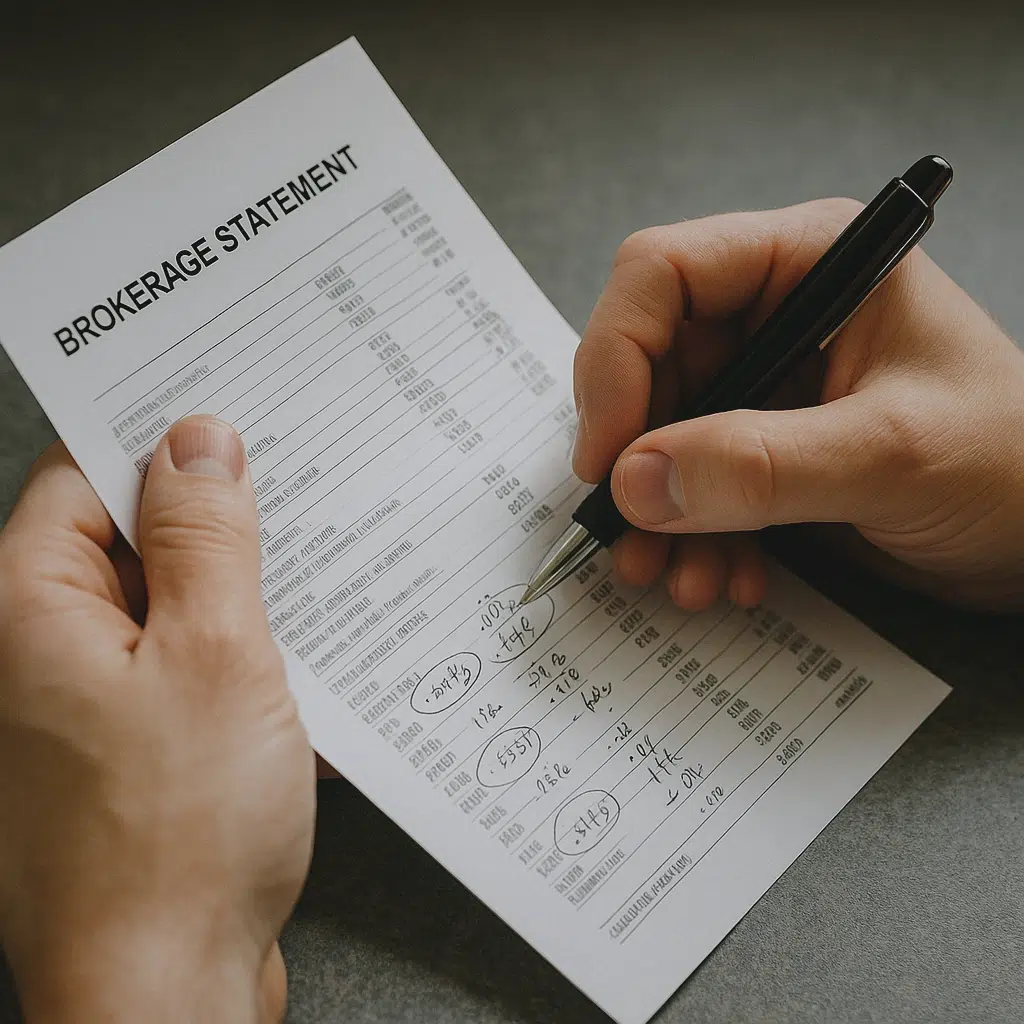
Brokerage statements are essential documents in the realm of tax reporting, especially after selling investments. They offer a comprehensive transaction overview, detailing every purchase and sale, which is crucial for accurate income tax calculations. These statements serve as a roadmap, guiding taxpayers through the complexities of financial activities and ensuring that all necessary information is available for tax preparation. Without them, taxpayers may struggle to report capital gains or losses accurately, leading to potential compliance issues.
Key Information in Brokerage Statements
A brokerage statement typically includes several key pieces of information. These include the date of each transaction, the number of shares bought or sold, the purchase or sale price, and any associated fees. This data is vital for determining the cost basis and calculating the accurate tax impact of investment activities. Moreover, such statements can highlight dividends received, which are also taxable.
How to Organize Your Statements
Proper organization of brokerage statements can simplify the tax filing process. Maintaining a systematic record, either digitally or in print, helps ensure that no transaction is overlooked. Consider categorizing statements by year and type of investment to make retrieval easier when it’s time to file. For more personalized guidance, you can schedule a tax consultation with tax professionals at SCL Tax Services in & near Bronx, NY..
Documenting Purchase Information for Accurate Reporting

Accurate documentation of purchase information is crucial when selling investments, as it directly affects your income taxes. Key details like the purchase date, purchase price, and investment type are essential for calculating capital gains. These elements provide a clear record of your investment’s initial value, which is necessary for determining any profit or loss upon sale. Without precise records, you may face challenges in accurately reporting your gains, potentially leading to incorrect tax filings.
What to Include in Purchase Records
When compiling purchase records, ensure they contain comprehensive information. This includes:
- Purchase Date: The exact date you acquired the investment.
- Purchase Price: The total amount paid for the investment, including any associated fees.
- Investment Type: Whether the asset is a stock, bond, mutual fund, or other securities.
These details form the foundation of your records, helping you maintain accuracy in your tax calculations.
Impact on Capital Gains
The purchase information directly influences how capital gains are assessed. Accurate records allow for the precise calculation of the difference between the sale price and the original purchase price. This, in turn, determines the taxable gain or deductible loss. For assistance with your investment records, consider reaching out to tax professionals at SCL Tax Services in & near Bronx, NY..
Calculating Cost Basis for Tax Purposes
Determining the cost basis of your investments is crucial for accurately calculating capital gains or losses when you sell assets. The cost basis typically includes the purchase price of the investment plus any associated costs, such as commissions or fees. Knowing the correct cost basis ensures that you report the correct amount of taxable income, which can significantly affect your tax liability.
Methods for Calculating Cost Basis
There are several methods for calculating cost basis, each applicable depending on the nature of your investments. The FIFO (First In, First Out) method assumes the oldest shares are sold first, while the LIFO (Last In, First Out) method assumes the newest shares are sold first. The specific share identification method allows you to select which shares to sell, potentially optimizing your capital gains tax situation. Understanding these methods helps ensure accurate tax reporting.
Why Cost Basis Matters
Cost basis is integral to determining capital gains, which directly influence your taxable income. A miscalculation can lead to overpayment or underpayment of taxes, both of which have financial consequences. For personalized assistance with your investments, consider reaching out to SCL Tax Services in & near Bronx, NY. Our tax professionals can guide you in selecting the most beneficial method for your situation.
Recording Sale Proceeds for Accurate Tax Filing
Accurate documentation of sale proceeds from investments is crucial for effective tax filing. When you sell an investment, the proceeds represent the total amount you receive from the transaction. This figure is pivotal in determining your net income and subsequently influences your tax liability. Properly recording these details ensures compliance with tax regulations and can prevent costly errors.
Details to Record for Sale Proceeds
When documenting sale proceeds, you should include the date of sale, the gross proceeds received, and any associated fees or commissions. These details help in calculating the accurate net proceeds, which are essential for determining your taxable income. Meticulously keeping these records is vital, as discrepancies can lead to audits or penalties.
Effect on Tax Liability
The sale proceeds directly impact your tax obligations by contributing to your net income. Understanding this relationship is essential for accurate tax filing. By clearly documenting these figures, you can better assess your potential tax liabilities and ensure you are meeting your financial obligations. Consulting with tax professionals can provide additional guidance on how to manage these records effectively.
Identifying Potential Capital Gains or Losses
When you sell investments in Westchester, identifying potential capital gains or losses is critical for accurate tax reporting. These gains or losses directly impact your income taxes and overall tax liability. Capital gains occur when you sell an investment for more than its purchase price, while capital losses arise when the sale price is lower than the initial purchase price. Understanding these differences is crucial for evaluating the tax implications on your financial situation.
Calculating Gains or Losses
To calculate your gains or losses, subtract the original purchase price, or cost basis, from the sale price of the investment. If the result is positive, it is a capital gain; if negative, it is a capital loss. This calculation is essential for determining the impact of these transactions on your income taxes and for accurate reporting.
You can also explore our local offices for details.
You can also explore our tax services for details.
Taxpayers can find the latest filing requirements and guidance on the official IRS website.

Frequently Asked Questions
What records do I need to keep after selling investments for income taxes in the Bronx?
Keep transaction records, including purchase and sale dates, amounts, and any associated costs. Maintain documentation for capital gains or losses, such as brokerage statements and tax forms. Retain these for at least three years to comply with IRS requirements and ensure accurate tax reporting.
How long should I keep tax records after selling investments in the Bronx?
Retain tax records for at least three years after filing your return. If you underreported income by more than 25%, keep records for six years. For unfiled returns or fraud, maintain records indefinitely. This ensures you can substantiate your income taxes if audited.
Are there specific tax forms I need after selling investments in the Bronx?
Form 8949 reports capital gains and losses, while Schedule D summarizes these transactions for your income taxes. You may also need to file a 1099-B if you received one from your broker. These forms help accurately report your investment sales and calculate taxes owed.
What are the tax implications of selling investments in the Bronx?
Selling investments can result in capital gains taxes, which range from 0% to 20% based on your income level. Short-term gains are taxed as ordinary income. Understanding these implications is crucial for effective tax planning and ensuring compliance with income taxes after selling assets.
Ready to Grow Your Business?
Our team delivers real, measurable results — no long-term lock-ins, just smart strategy and consistent execution.